

- 0 Comments
- By The Handyman Writer
- Uncategorized
There is a sound everyone living in a Georgian or Victorian flat in W1 knows by heart, that soft rattle of glass when a bus rumbles past on a windy October night. If that sound feels familiar, sash window draught proofing is probably the smartest thing you can do for your home before winter properly settles in. Those tall, elegant windows are half the reason people fall for Marylebone and Fitzrovia in the first place. They also leak warm air like a tired old teapot.
The good news? Nothing needs ripping out, and the street view stays exactly as it was.
Why Period Windows Let the Cold In
Timber is a living material, even two hundred years after it was cut. It swells in damp months, shrinks in dry ones, and after a century or so of doing this the gaps between the sash, the box frame and the beads slowly get wider. Add some worn paint and a missing staff bead, and the window starts to whistle.
Historic England estimates that older buildings lose somewhere around 15 to 20 per cent of their heat through draughts alone. That is a lot of warmth drifting onto the pavement.
The Tell Tale Signs
Look out for:
- Rattling sash windows every time traffic passes or the wind picks up
- Curtains that sway gently even with every window shut
- Condensation collecting along the bottom rail each morning
- Sashes that drop, stick or refuse to stay open, which usually means tired cords
- A cold patch around the window seat, even with the radiator on full
What Sash Window Draught Proofing Actually Involves
A proper job is surprisingly gentle on the building. The sashes are carefully eased out of the box frame, years of paint build up gets cleaned back, and slim grooves are routed into the edges of the timber.
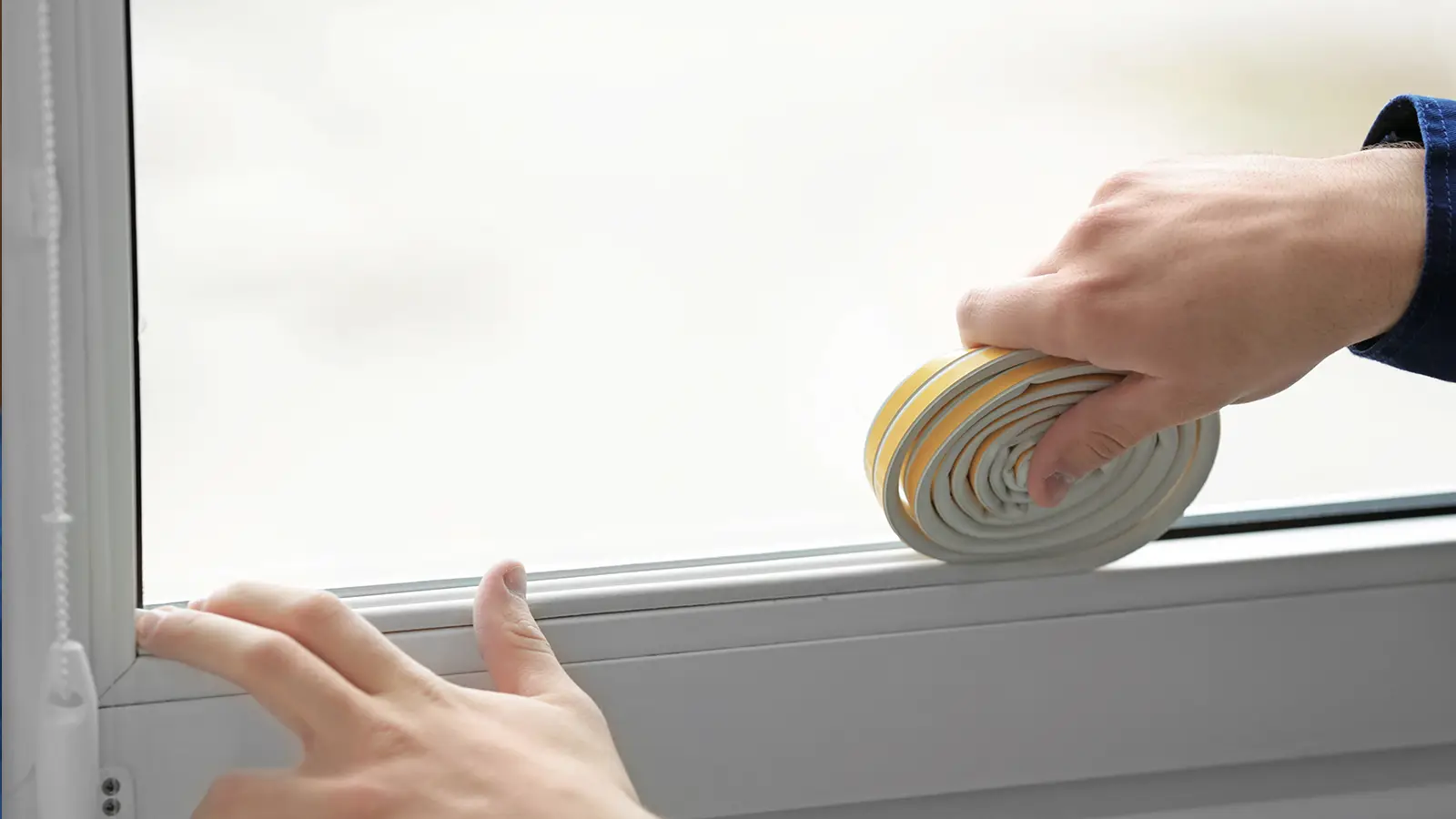
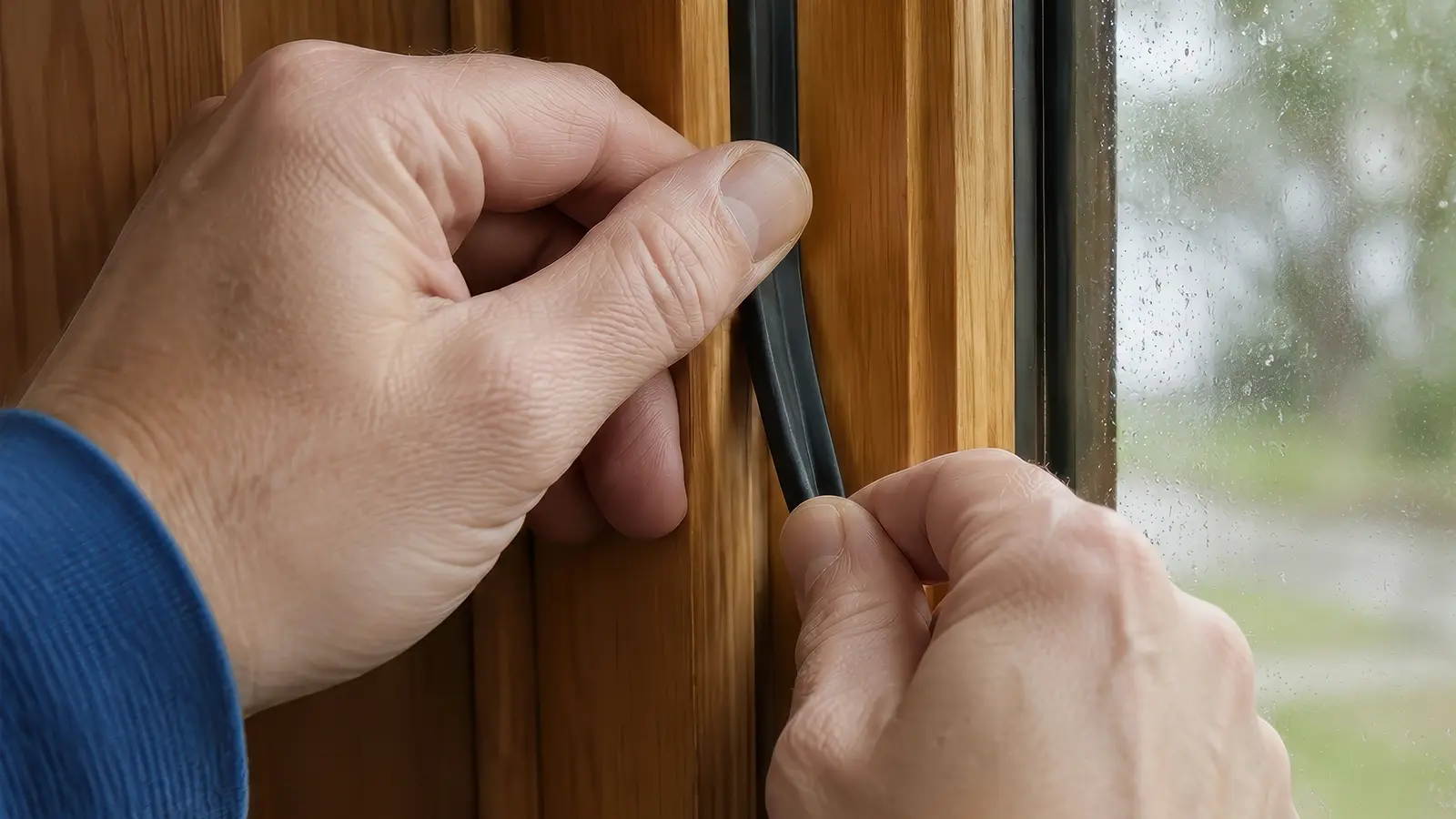
Brush pile seals then sit inside those grooves, almost invisible once the window goes back in. The parting beads are swapped for versions that carry their own seals, and the meeting rails get a little attention so the two sashes close snugly together.
Sash Cords and Weights
While the window is apart on the bench, it is the perfect moment for sash cord replacement. Cotton cords fray quietly over the years, and one snapping while you lift the sash is frankly a bit terrifying. Doing the cords at the same time as the seals costs very little extra because the hard part, getting the sash out, is already done.
Does It Change the Look?
Hardly at all. Brush pile seals come in white, brown and grey, and once the window is painted they blend straight in. For anyone living in a conservation area, that matters alot.
The Numbers Are Pretty Convincing
This is where things get interesting. According to Historic England, air getting through a sash window in good condition can be cut “by as much as 86%” once draught proofing is added. That is a huge result for a job that usually takes around a day per room.
Their guidance also points out that roughly a fifth of a home’s heating escapes through windows, and most of it sneaks out through gaps rather than through the glass. So the money spent on heating is, quite literally, flying out between the timber.
With energy bills still far higher than most of us remember from a few years back, sash window draught proofing tends to pay for itself quicker than people expect.
Secondary Glazing for Period Windows: The Next Step
If seals stop the wind, secondary glazing for period windows deals with the cold glass. A slim second pane fits on the inside of the reveal, leaving the original sash untouched from the street. Research reported by Historic England found that adding secondary glazing on top of repairs and seals pushed the drop in air leakage up to 96 per cent.
It helps with traffic noise on Marylebone Road too. Pairing secondary glazing for period windows with sash window draught proofing is honestly the closest thing to double glazing a heritage building will ever politely allow.
Listed Building Windows Need Extra Care
Listed building windows are a slightly different story. Any work affecting the character of a listed property normally needs consent from Westminster or Camden first. Discreet seals and removable secondary panes are usually viewed kindly, but a quick email to the conservation officer before anything goes in can save a very awkward letter later on.
Repair First, Seal Second
Seals only work on a window that is basically sound. If the bottom rail feels soft with rot or the sill has split, a good sash window repair London team will splice in new timber first. Trying to seal a rotten sash is a bit like buttoning a new coat on someone who is still standing in the rain.
Once rot, cracked putty and loose joints are sorted, the new seals have something solid to grip onto and the sash window draught proofing will last for years.
Why Rattling Sash Windows Are Often a Repair Job
Rattling sash windows usually point to worn beads or a loose fit rather than anything serious. Sometimes a simple bead adjustment, done during sash window repair London jobs, is enough to bring the silence back. Other times the cord has stretched and the sash sits unevenly, which is where sash cord replacement comes in again.
How Long It Takes
Most standard windows can be overhauled and sealed in roughly half a day to a full day each, depending on condition.
Prices in Central London vary with the size of the window, the state of the timber and access. What stays true almost every time is that careful sash window draught proofing costs far less than replacement, and it keeps the original joinery that buyers in W1 are happy to pay extra for.
Tip: before asking for a quote, walk round and note which windows rattle, stick or have broken cords. It makes the quote far more accurate and speeds up the first visit.
Why Local Knowledge Matters
Draught proofing London period homes is not the same as sealing a modern window in the suburbs. W1 buildings often have shutters boxed into the reveals, deep window seats and paintwork carrying a dozen layers since the 1890s. A local team knows how Westminster and Camden treat these jobs, which products tend to be approved.
Brush pile seals, cords, beads and a bit of patience are really all it takes. Draught proofing London flats well is less about fancy kit and more about respecting the timber.
Final Thoughts
Period windows are worth keeping. They are part of the story of the building, and with some care they can easily see out another hundred years. Whether the job is a simple seal, a full overhaul or protecting listed building windows in a conservation area, sash window draught proofing lets you stay warm without losing a scrap of character.
So the next time a bus rattles the glass, take it as a friendly reminder that winter is on its way.