

- 0 Comments
- By The Handyman Writer
- Uncategorized
It usually starts with a sound. A faint scratching behind the kitchen plinth at eleven at night, the kind you try to convince yourself is the pipes. Then one morning there are tiny droppings next to the toaster, and suddenly the whole flat feels a little less like home.
If that sounds familiar, you are in very good company. Mice in London flats are about as common as delayed Tubes, especially once the temperature drops in October and every small, warm creature in the city starts house hunting.
Why Central London Has Such a Mouse Problem
London is old, crowded and full of food. Victorian terraces share walls, mansion blocks share service risers, and restaurants sit directly below homes on half the streets in Soho and Fitzrovia. For a mouse, that is a dream network of hidden corridors.
The numbers back this up. An analysis by Direct Line found that councils across the UK made 291,132 visits to deal with pest infestations in 2024, and 91 per cent of those were about rodents. That was up nine per cent on 2022. That is exactly why mouse proofing London homes has become such a regular autumn job.
Mice in Walls and Floors
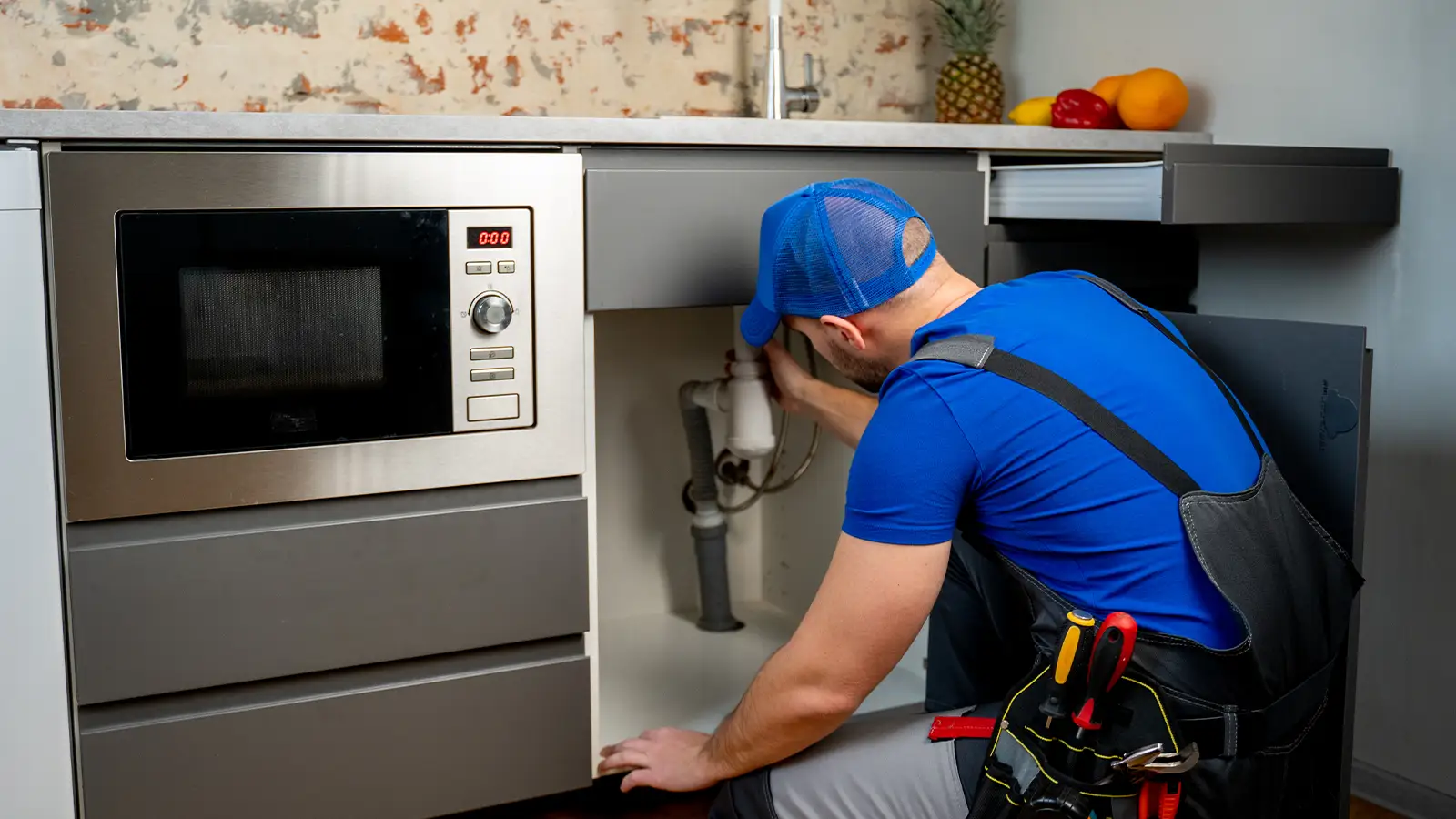
Mice in walls are the classic London headache. Older buildings have hollow spaces behind lath and plaster, gaps around floor joists and old service holes nobody has looked at since the 1970s. Mice travel through these voids in complete safety, popping out wherever there is a crumb worth the trip.
Traps Are Not Enough on Their Own
Here is the honest truth. A pest controller can clear the mice you have today, but if the entry points stay open, new ones will simply move in next month. It is like bailing water out of a boat without fixing the hole.
That is why rodent proofing matters so much. It is the physical side of the job, closing every route in so the problem does not keep coming back. Many good pest control firms actually recommend a handyman for this part, because it involves carpentry, filling and a fair bit of crawling around under units.
How to Stop Mice Getting In
So, how to stop mice getting in when they can squeeze through a gap roughly the width of a pencil? It comes down to patience and knowing where to look.
Start in the Kitchen
The kitchen is almost always ground zero. Behind the cooker, under the sink and around the dishwasher there are pipe holes and cable routes that were cut far bigger than they needed to be. Mice love them.
Sealing gaps under kitchen units is usually the single most effective job in the whole flat. It means pulling off the plinths, getting a torch into the void and closing every hole in the wall and floor.
Behind Radiators and Along Skirting
Old radiator pipes often come up through the floorboards with a generous ring of empty space around them. The same goes for gaps where skirting boards have shrunk away from uneven floors. Each one is a doorway.
Around Service Risers
In mansion blocks, the vertical risers that carry water, gas and cables between floors are a mouse motorway. Where they enter your flat, even a small gap lets them travel from the basement bins to the top floor with ease.
What Actually Works for Sealing Gaps
Not every filler is created equal. Mice will happily chew through expanding foam, soft sealant and cheap plastic covers in a single evening, which is frustrating when you thought the job was done.
Steel Wool for Mice
Steel wool for mice is a trusted old trick, and for good reason. Mice cannot chew through it without hurting themselves, so they give up. The best method is to pack it tightly into the hole and then seal over the top with a hard setting filler or mortar, so it stays put and does not rust into a mess.
Tip: use stainless steel wool or copper mesh rather than the ordinary kind, because it won’t rust and stain the wall. It costs a little more but lasts for years.

Other Materials That Hold Up
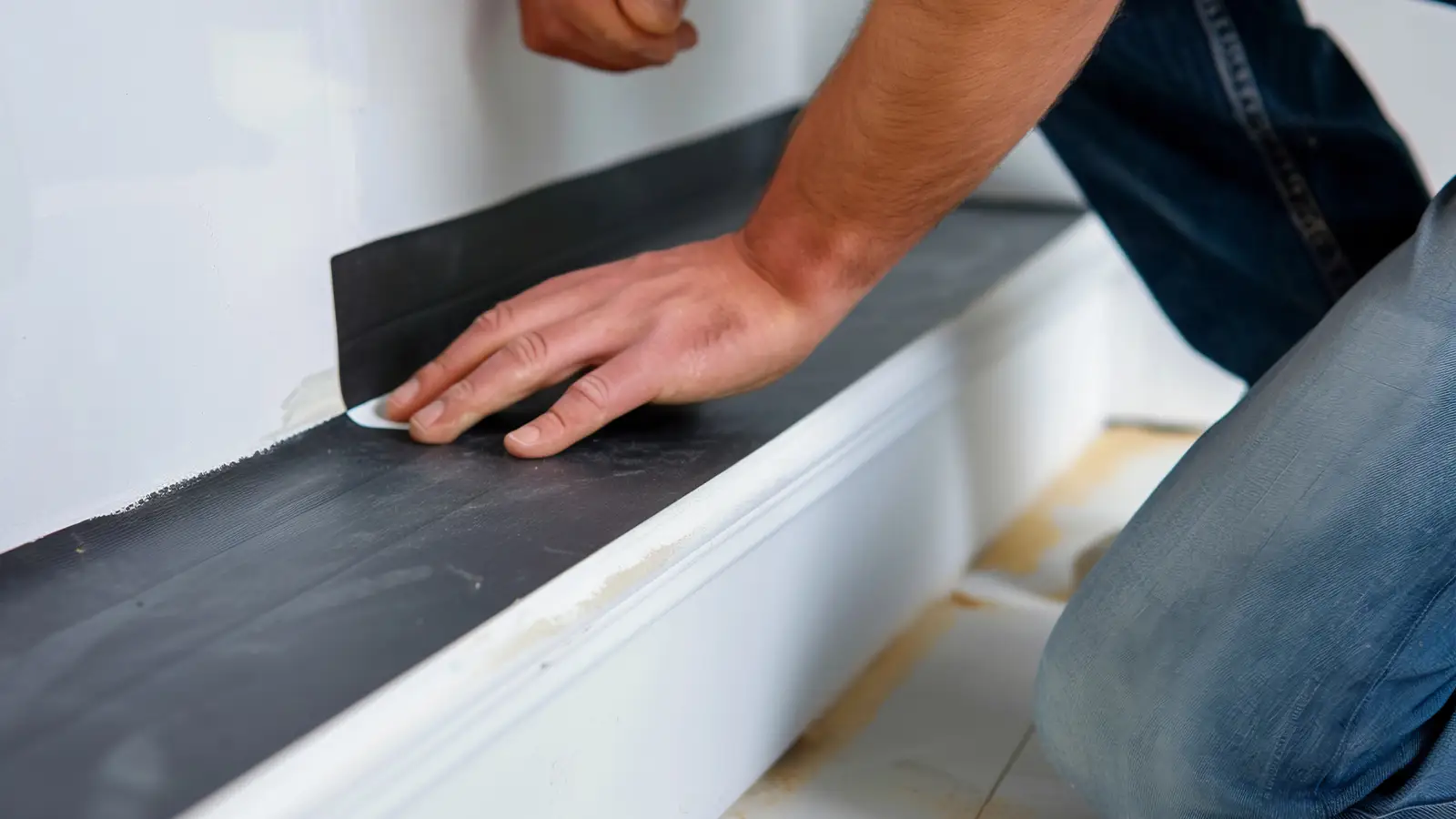
Metal escutcheon plates around pipes, fine wire mesh over air bricks and proper bristle strips on external doors all help. Air bricks should never be blocked completely, though. They are there for ventilation and damp control, so mesh is the right answer rather than filler.
Pest Proofing a Flat Room by Room
Pest proofing a flat properly means working methodically. Kitchens first, then bathrooms, where pipes run through boxing and behind bath panels. Next come the living areas, especially where cables pass through floors for TVs and sockets.
Bedrooms are often overlooked, but built in wardrobes sometimes hide old gaps behind their back panels. Finally, check the front door. A worn threshold with a gap underneath is basically a welcome mat for anything small and hungry.
Communal Areas and Your Neighbours
Mice do not respect property boundaries. It’s worth having a friendly word with the managing agent so bin stores, basements and shared risers are treated at the same time. Pest proofing a flat in isolation works, but it works far better when the whole building joins in.
Signs the Job Has Worked
After a thorough round of mouse proofing London homeowners often notice the difference within a couple of weeks. No new droppings, no scratching at night, and traps that stay empty. That quiet is honestly one of the nicest feelings there is.
If activity carries on, it usually means one route was missed. Revisiting the work of sealing gaps under kitchen units and any boxed in pipework normally finds it. Less gaps, less mice. Mice are clever, but they are also creatures of habit and use the same paths again and again.
When to Call in Help
Some gaps are easy to reach. Others hide behind fitted units, bath panels or under floorboards that need lifting carefully. Rodent proofing in older London buildings is often a bit of detective work, and a trained eye can find in an hour what might take a weekend of frustrated searching.
At Beck’s Homes, this kind of job is common from autumn right through to early spring, especially in the older blocks around Fitzrovia, Marylebone and Bloomsbury. Pairing it with a pest controller’s treatment gives the best result by far.
A Warmer, Quieter Winter
Nobody enjoys sharing their kitchen with uninvited guests. The good news is that with a bit of work behind the units, the right materials and some patience, mice in London flats can be kept firmly on the other side of the wall.
Think of mouse proofing London homes as a winter coat for your building. Done once and done properly, it keeps out the cold, the draughts and the little visitors with sharp teeth. And knowing how to stop mice getting in means you can finally stop listening for scratching at night.